How Do Natural Cosmetics Penetrate Our Skin Layers?
But if there’s one crucial thing to know before deciding what to slap on your skin, it’s understanding how cosmetic products actually penetrate the skin layers.
We often hear that natural cosmetics are way better than conventional products, which can be chock-full of ingredients that might cause long-term skin dramas. Crikey, it’s time we understood why, so we can make smarter choices.
It’s essential to remember that our skin’s top job is to keep foreign substances from sneaking into our bodies. And good onya skin it does this bloody well! So well, in fact, that it’s no easy feat for a cosmetic to break through the epidermis and reach deeper layers.
That’s why cosmetic formulators need to consider loads of factors when designing an effective product. ✨
What Are We Looking for When Applying Cosmetics on Our Skin?
When we apply cosmetics, we’re essentially chasing two types of effects:
- Surface action
- Penetration into deeper layers
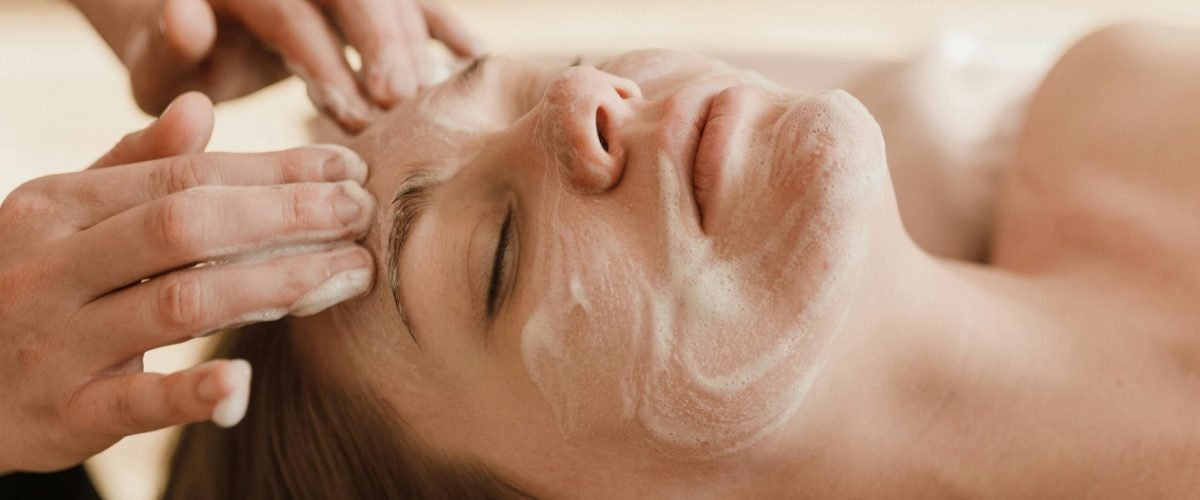
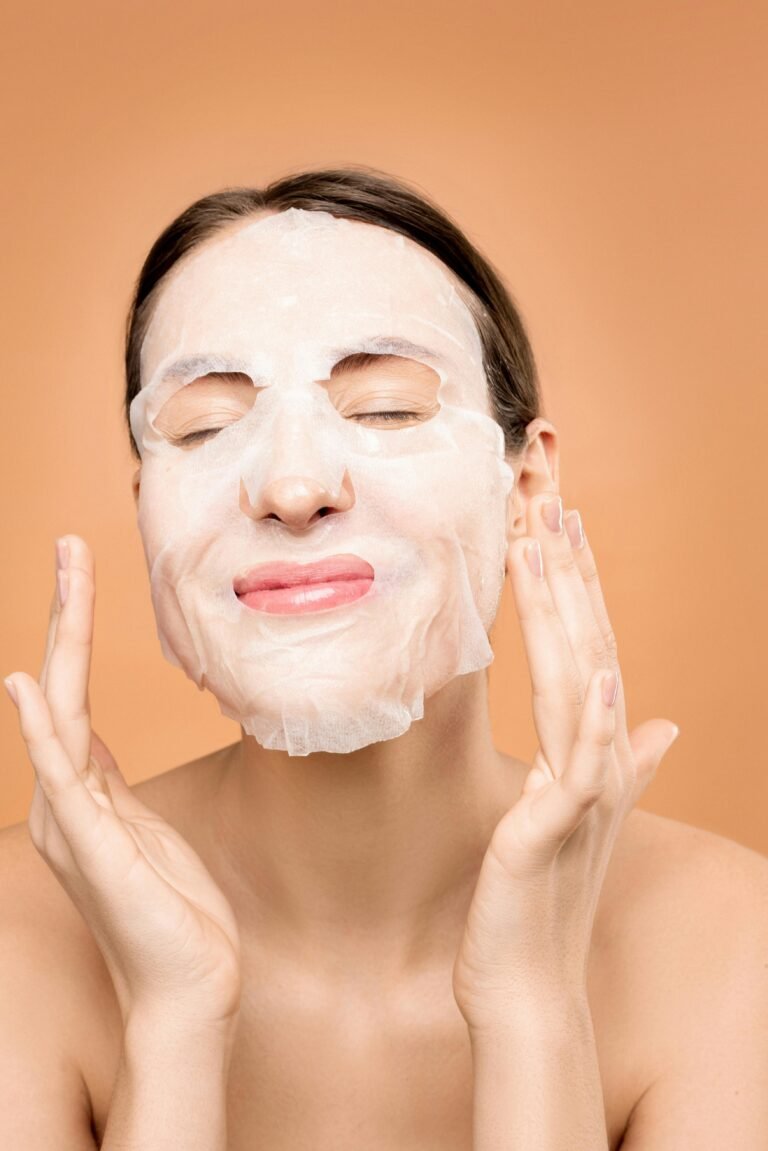
Surface action only affects the outer layers of the epidermis. Think cleansing milks, micellar waters, bath gels, or face masks.
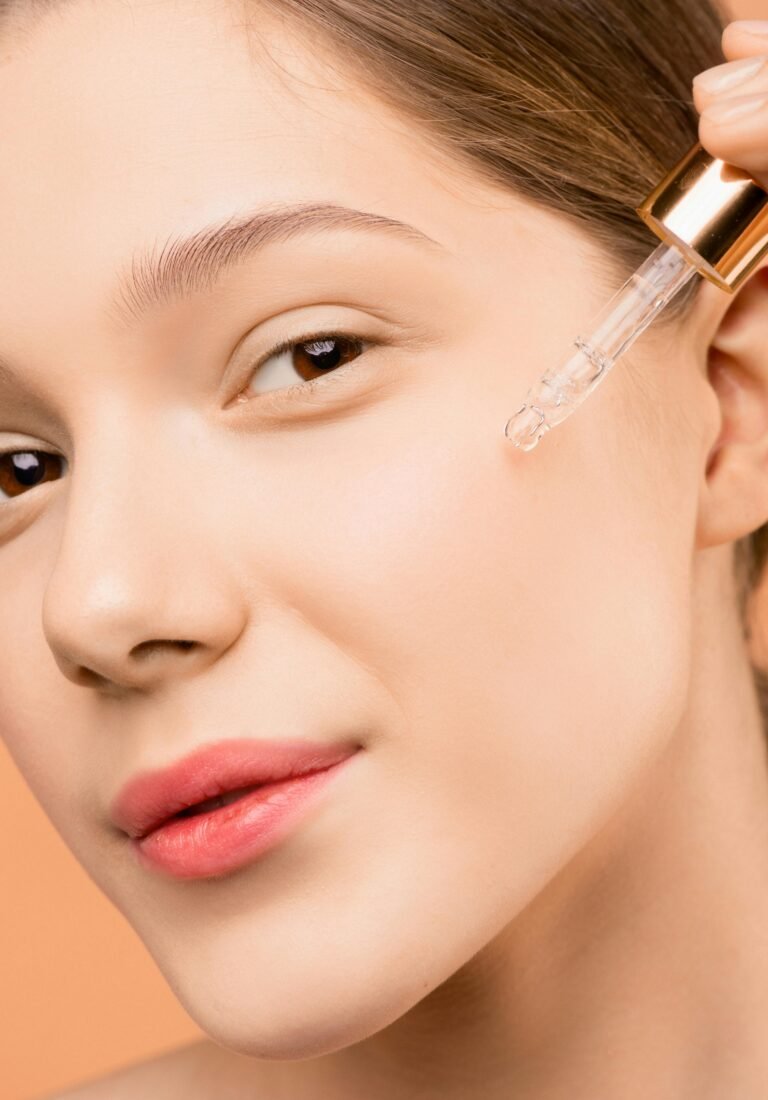
Penetration into deeper layers happens when products reach deeper zones of the epidermis and sometimes close to the dermis. This is typical of anti-ageing creams, firming anti-wrinkle treatments, or serums. 🌿
How Do Cosmetics Penetrate the Layers of Our Skin?
There are a few ways your bush beauty products can navigate through your skin:
- By passing directly through the epidermal cells layer by layer, and through the “cellular glue” between those layers.
- By sneaking around cells and moving through the “cellular glue” that holds them together.
- Via hair follicles.
🔎 Note:
- The cellular glue between layers consists of fats like ceramides, cholesterol, and fatty acids, which play a key role in preventing water loss and dehydration.
- Hair follicles are tiny, sac-like structures deep in the scalp and skin that produce hair.
Which Factors Influence Cosmetic Penetration into the Skin?
The vehicle: The ingredient combo that carries and helps substances permeate the skin.
Lipophilic substances (those that dissolve in oils or fats) penetrate better than hydrophilic ones (those that dissolve in water).
Molecule size: Smaller molecules sneak deeper into the skin more easily. 💧

Does Application Area Matter?
Absolutely! Areas of the skin without hair follicles like palms or soles are tougher for penetration. The thicker the epidermis, the lower the penetration. Thin-skinned areas like eyelids or the inside of your arm make it easier for products to dive in.

What About the Skin’s Condition?
If your skin has wounds, disease, or damage, its “barrier function” is weakened, increasing product penetration. For example, after shaving, your skin’s more porous.
Does Hydration Affect Cosmetic Penetration?
Big time!
The more hydrated your skin, the better the penetration. So, if you’re keen for those anti-ageing goodies to work their magic, keep your skin well-hydrated at all times. 🌸
How Does Application Method Influence Penetration?
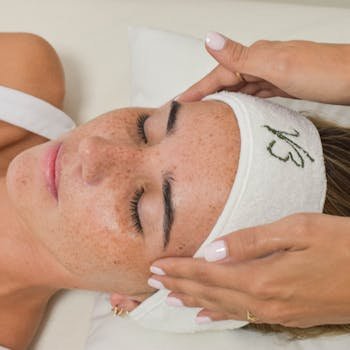
Applying products with heat or massage can boost penetration.
Plus, how much you apply and how long it stays on your skin matters.
A shower gel rinsed off immediately isn’t the same as a cream left on the skin, which has heaps more time to sink in and work deeper.
Does Age Change How Our Skin Absorbs Products?
As we age, our skin’s stratum corneum loses hydration, making it trickier for substances to penetrate. Yet ironically, that’s precisely when we need our cosmetics to work deeper!
That’s why consistent skin care over a lifetime is key to keeping mature skin hydrated and strong. Good onya for taking care early on. ✨
Many times, we slap on our bush beauty products without truly knowing what we’re using or how far it can go into our skin.
So, I encourage you: have a proper squiz at what you’re applying, so you can make choices that’ll keep your skin beaut and healthy!