ECOSIBLINGS

Botanical Wonders

INSPIRING A GREENER AND HEALTHIER LIFESTYLE 
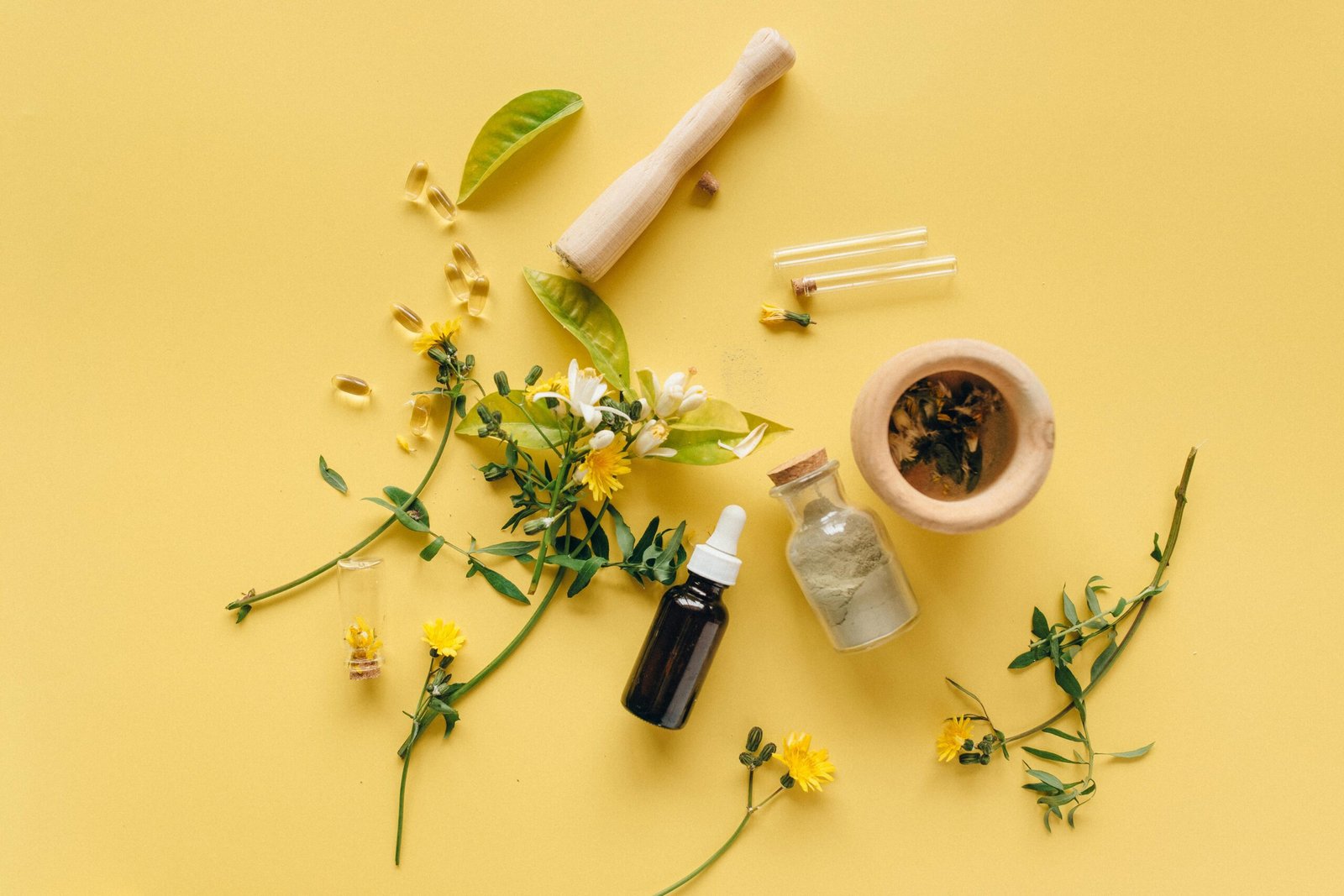
A flat lay of herbal medicines and plants on a yellow background for natural healing.

How to Create Your Own Herbal Apothecary at Home 🌿

A Practical Guide to Everyday Natural Wellness for Aussie Women


In a world where quick fixes and synthetic meds are the norm, more and more Aussie women are turning back to the garden. Why? Because nature’s been our best mate for healing long before paracetamol hit the shelves. Whether it’s to soothe frazzled nerves after a hectic day or to ease a bloated belly from a rushed lunch, herbs can be your go-to straight from your pantry or garden. 


                                                                                       🌱💫


Building your own herbal apothecary isn’t some hippie fantasy or a task that’ll have you flat out like a lizard drinking. It’s actually simple, empowering, and sustainable. From busy professionals to conscious mamas and yoga lovers, this guide will help you craft a natural toolkit that aligns with your health values and the rhythms of nature. And the best part? It’s better for your body and the planet.
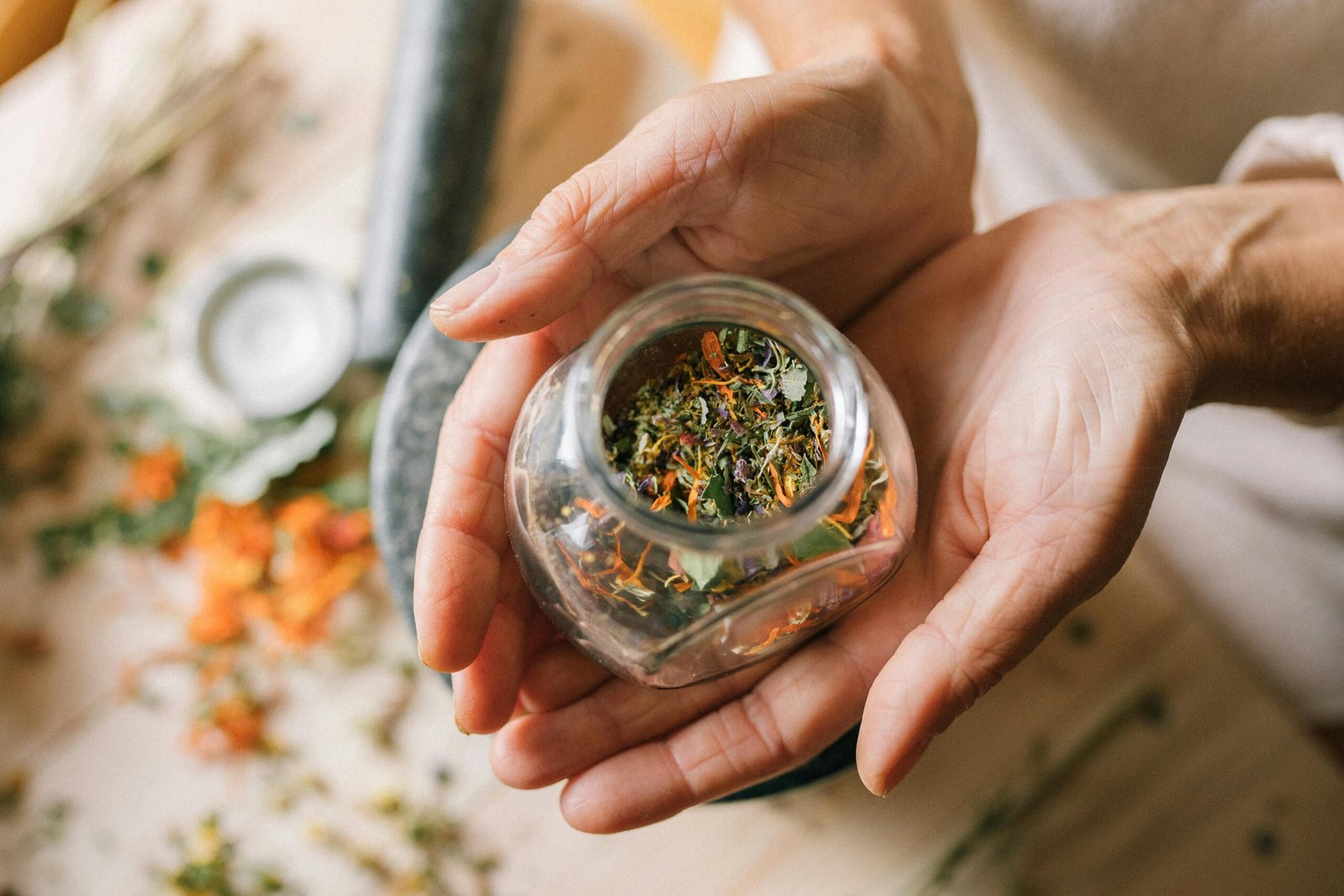
Close-up of hands holding a glass jar filled with colorful dried herbs.

Why Every Aussie Home Needs a Herbal Apothecary 💊

Let’s be clear: modern medicine saves lives. But when it comes to everyday issues like stress, digestion troubles, mild insomnia or skin irritations, the herbal route can be just as effective without the synthetic overload.
 
Recent research in Frontiers in Pharmacology confirms that plant-based remedies often work in harmony with the body, reducing unwanted side effects common with pharmaceuticals. Think of herbs as gentle allies that support your body’s healing process, rather than override it. 🍃
 
Creating a herbal apothecary at home means:
•🌏 Reducing your reliance on synthetic drugs (and their environmental footprint)
•💸 Saving money many herbs are easy to grow or forage in Aussie backyards
•🌸 Reconnecting with Earth’s natural cycles and wisdom

Step 1: Start With the Essentials Your 10 Must-Have Herbs No need to stock 100 jars and look like an old-school witch (unless you’re into that). These 10 all-rounders have stood the test of time and are backed by science too:

1. Chamomile (Matricaria chamomilla)

• Great for: Calming nerves, helping with digestion, easing into sleep

Use it as: Tea, tincture or infused oil

2. Peppermint (Mentha piperita)

• Great for: Bloating, sinus relief, headaches

Use it as: Tea, essential oil or fresh leaves

3. Echinacea (Echinacea purpurea)

• Great for: Boosting immunity, fighting colds

Use it as: Tincture, tea or capsules

4. Ginger (Zingiber officinale)

• Great for: Nausea, inflammation, menstrual cramps

Use it as: Tea, powder, or infused honey

5. Turmeric (Curcuma longa)

• Great for: Joint pain, inflammation, skin glow

Use it as: Powder, paste, or capsule

6. Lavender (Lavandula angustifolia)

• Great for: Calming the nervous system, supporting sleep, tension relief

Use it as: Essential oil, tea, or infused oil

7. Calendula (Calendula officinalis)

• Great for: Cuts, burns, minor skin irritations

Use it as: Infused oil, salve, or tea

8. Elderberry (Sambucus nigra)

• Great for: Cold and flu prevention

Use it as: Syrup or tea

9. Garlic (Allium sativum)

• Great for: Immune boosting, lowering blood pressure

Use it as: Raw, oil, or capsules

10. Plantain (Plantago major)

• Great for: Skin irritations, insect bites

Use it as: Poultice, infused oil
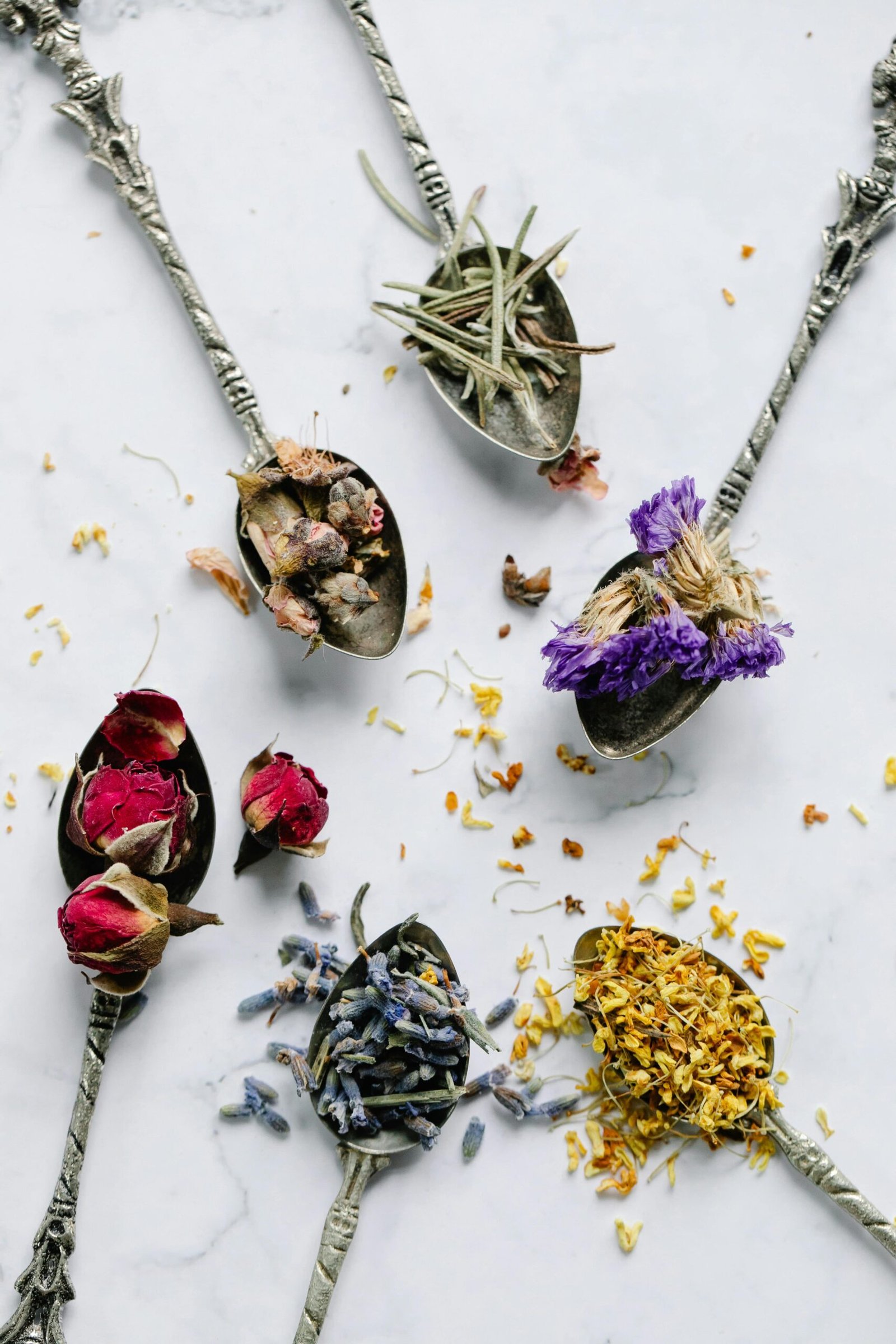
Aesthetic flat lay of vintage spoons filled with various dried herbs and flowers on a marble surface.

Step 2: How to Use Herbs From Teas to Tinctures 🫖

Each herb has multiple applications. Here’s how to choose what suits your needs:

•Teas & Infusions: Perfect for daily rituals (like chamomile before bed)

•Tinctures: Alcohol-based extracts that are strong and shelf-stable (great for echinacea)

•Infused Oils & Salves: Topical goodness for wounds, skin healing (calendula is a winner here)
 
•Capsules & Powders: Ideal when the flavour’s a bit… bold (hello, turmeric)

Step 3: Where to Get Your Herbs
Go Local, Go Clean 🌏
 
Not all herbs are created equal. Here’s how to ensure you’re getting the best for your body and the planet:
•🌿 Buy certified organic (avoid sneaky pesticides)
•💚 Support Aussie-grown, wildcrafted or fair-trade herbs
•🌱 Grow your own mint, lemon balm and thyme thrive in pots or small gardens
 
Insider tip: Skip the chain stores. Check your local farmers’ markets or connect with community herbalists for fresher, more ethical options.
plant, small plants, sow, growing up, cultivate, sapling, plant the hotbed, nature, gardening, green, garden land, gardeners, yard, hand, save, to protect, hold

Step 4: Set Up Your Apothecary
Label, Store, Organise 🌸

Think of your apothecary like your wellness pantry. Here’s how to keep it top-notch:

•Use dark glass jars to protect herbs from UV damage
•Label clearly with the herb name, harvest date and uses
•Store in a cool, dry spothumidity is the enemy of potency!
 
✨ Keep a herbal journal to track what works for your body and mood cycles

Step 5: Safety First
Know Your Herbs 💬

Just because it’s natural doesn’t mean it’s risk-free. Always:
•Do your homework especially on contraindications (like avoiding licorice if you have high blood pressure)
•Start with small doses
•Consult a naturopath or herbalist if you’re pregnant, breastfeeding, or on meds
 
Herbs are powerful allies but they should be used with the same respect you’d give a medicine cabinet.🍃💡
Scroll to Top