
ECOSIBLINGS
Botanical Wonders
INSPIRING A GREENER AND HEALTHIER LIFESTYLE
Herbalism 101:
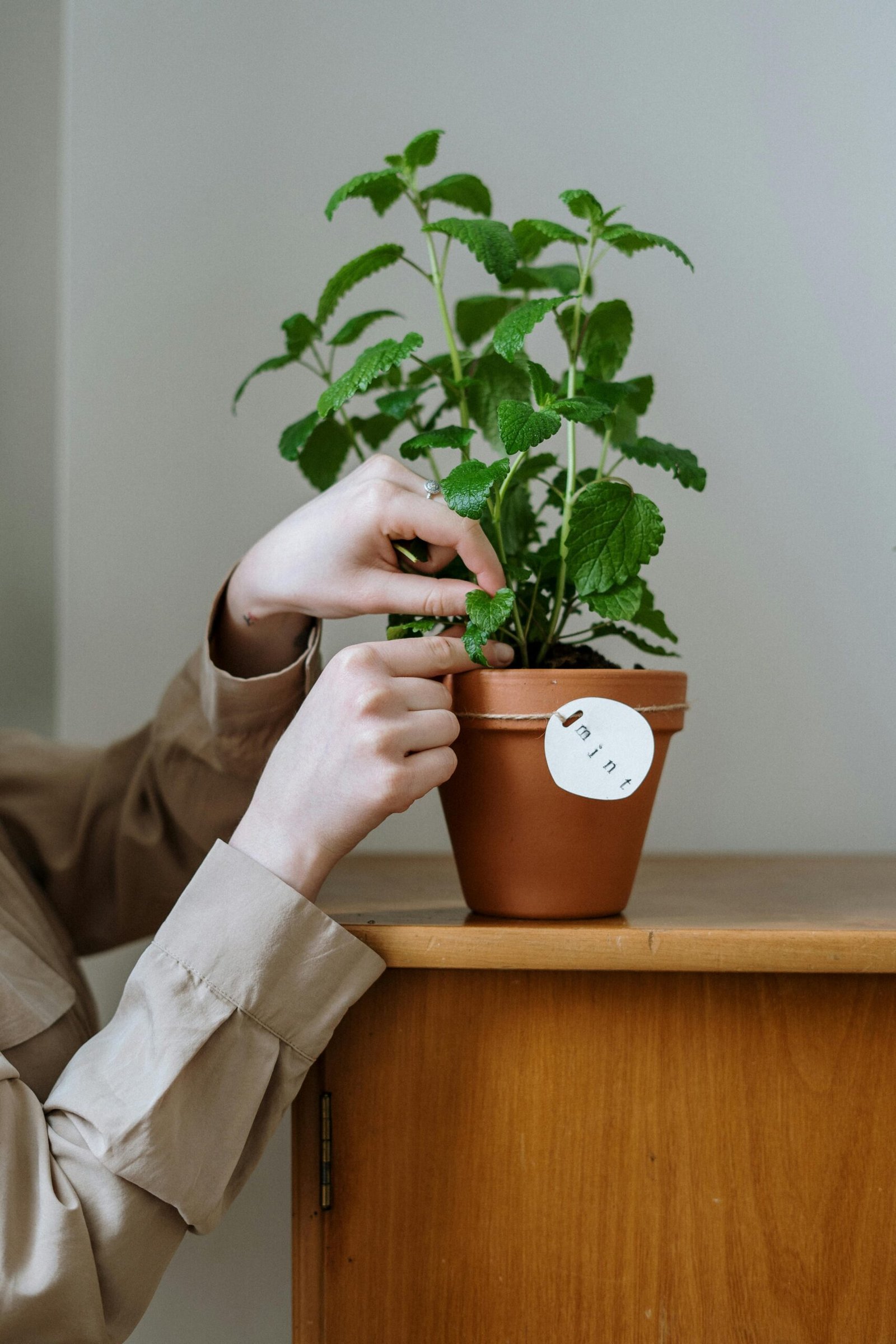
For thousands of years, plants have been our most trusted allies in health and healing. From the rich biodiversity of the Amazon to the apothecaries of ancient Asia and Europe, herbalism has formed the backbone of traditional medicine across cultures. Today, as interest in holistic wellness grows, more and more women across Australia and New Zealand are embracing plant-based remedies to support their health naturally.
If you’ve ever sipped chamomile tea before bed or applied aloe vera to sunburn, you’ve already taken your first step into the world of herbal medicine. This guide is here to walk you further along that path, offering practical advice on how to get started, which herbs are best for beginners, and how to use them safely and effectively in your daily routine.
🌿 Why Herbalism?
The Enduring Power of Plant Medicine
In a fast-paced world filled with synthetic pharmaceuticals and instant solutions, herbalism offers a slower, gentler, and more sustainable alternative. Plants contain an array of bioactive compounds that work in harmony with the body addressing the root of imbalance, not just the symptoms.
Scientific evidence is catching up to what traditional medicine has known for centuries. Studies published in Phytotherapy Research emphasize the broader therapeutic potential of whole-plant extracts, noting that they often cause fewer side effects than isolated drug compounds.
For women balancing work, family, and self-care, herbalism is more than a trend it’s a way to regain control over wellbeing with safe, natural tools rooted in centuries of wisdom.
🌼 Beginner-Friendly Herbs to Start With
You don’t need an extensive herbal cabinet to begin. Just a few versatile, evidence-supported plants can make a big difference. Here are five beginner-friendly herbs that are easy to source and safe for most people when used correctly:
01.
Chamomile (Matricaria chamomilla)
Your calming cup of comfort
Chamomile is one of the most researched herbs for its calming and digestive properties. A study in Molecular Medicine Reports confirms its gentle sedative and anti-inflammatory effects. Whether you’re winding down before bed or soothing an upset stomach, chamomile is a trusted companion.
02.
Peppermint (Mentha piperita)
The digestive powerhouse
Peppermint’s active compound, menthol, relaxes muscles in the gastrointestinal tract. A meta-analysis in BMJ Open Gastroenterology found peppermint oil particularly effective for relieving symptoms of irritable bowel syndrome (IBS), such as bloating and abdominal pain.
03.
Turmeric (Curcuma longa)
The golden anti-inflammatory
Turmeric is celebrated for curcumin, a compound with potent anti-inflammatory and antioxidant effects. Research in the Journal of Medicinal Food shows its benefits extend to joint health, mood regulation, and metabolic support. Remember: pair it with black pepper to enhance absorption.
04.
Lavender (Lavandula angustifolia)
The natural stress reliever
More than just a pleasant scent, lavender can significantly impact the nervous system. Clinical trials in Frontiers in Behavioral Neuroscience have demonstrated lavender’s ability to reduce cortisol levels and promote restful sleep. Use it as a tea, in essential oil form, or as part of a calming bath routine.
05.
Echinacea (Echinacea purpurea)
Your immune-boosting ally
A vibrant flowering plant native to North America, echinacea is a staple during cold and flu season. A review in The Lancet Infectious Diseases found that echinacea could reduce the incidence of upper respiratory infections by up to 58%.
🔍 How to Use Herbs Safely
Start Smart, Stay Safe
Herbs may be natural, but that doesn’t mean they’re free of risks. Here’s how to enjoy their benefits safely:
Know your body:
Start small:
Choose quality products:
🔍 How to Use Herbs Safely
☕ Easy Ways to Incorporate Herbs into Daily Life
You don’t need a complicated setup to enjoy the power of herbs. Try these simple, everyday methods:
- Herbal Teas & Infusions
Steep dried herbs like chamomile, ginger, or lemon balm in hot water for calming, digestive, or immune-boosting effects.
- Tinctures
Alcohol-based extracts offer a concentrated way to take herbs like valerian (for sleep) or ashwagandha (for stress).
- Topical Applications
Use herbal salves or infused oils for skin care calendula for irritation, arnica for bruises, or tea tree for blemishes.
- Culinary Use
Add healing herbs like rosemary, thyme, basil, or turmeric to your meals for added flavour and health support.
🌱 Herbalism Today: Honouring Tradition, Embracing Science
✨ Final Thoughts: Let Nature Guide You
📚 References
- Kroll, U., & Cordes, C. (2006). Pharmaceutical prerequisites for a multi-target therapy. Phytotherapy Research, 20(7), 505–516.
- Srivastava, J. K., et al. (2010). Chamomile: A herbal medicine of the past with bright future. Molecular Medicine Reports, 3(6), 895–901.
- Alammar, N., et al. (2019). The impact of peppermint oil on irritable bowel syndrome. BMJ Open Gastroenterology, 6(1).
- Hewlings, S. J., & Kalman, D. S. (2017). Curcumin: A review of its effects on human health. Journal of Medicinal Food, 20(10), 717–729.
- Koulivand, P. H., et al. (2013). Lavender and the nervous system. Frontiers in Behavioral Neuroscience, 7, 27.
- Shah, S. A., et al. (2007). Evaluation of echinacea for the prevention and treatment of the common cold. The Lancet Infectious Diseases, 7(7), 473–480.