
Eco-Friendly Lifestyle: How to Start Your Green Journey Today A Beginner’s Guide to Simple, Sustainable Living Without Overwhelm
🌱 How to Start Living More Sustainably Without the Overwhelm
A Gentle, Science-Based Guide for Women Beginning Their Eco Journey
You want to make better choices for your health, your family, and the planet. But let’s be honest: starting a sustainable lifestyle can feel confusing. Between greenwashing, perfectionism, and all-or-nothing thinking, it’s easy to feel stuck before you even begin.
Here’s the truth: you don’t need to be perfectly zero-waste or radically off-grid to make a difference. Sustainability isn’t about doing everythin it’s about doing what you can, consistently and consciously.
Whether you’re a full-time professional, a busy mum, or someone embracing a more mindful life, this guide is for you. It offers realistic, high-impact steps backed by science, designed to support your journey toward a greener, more intentional way of living without stress, guilt, or extra costs.
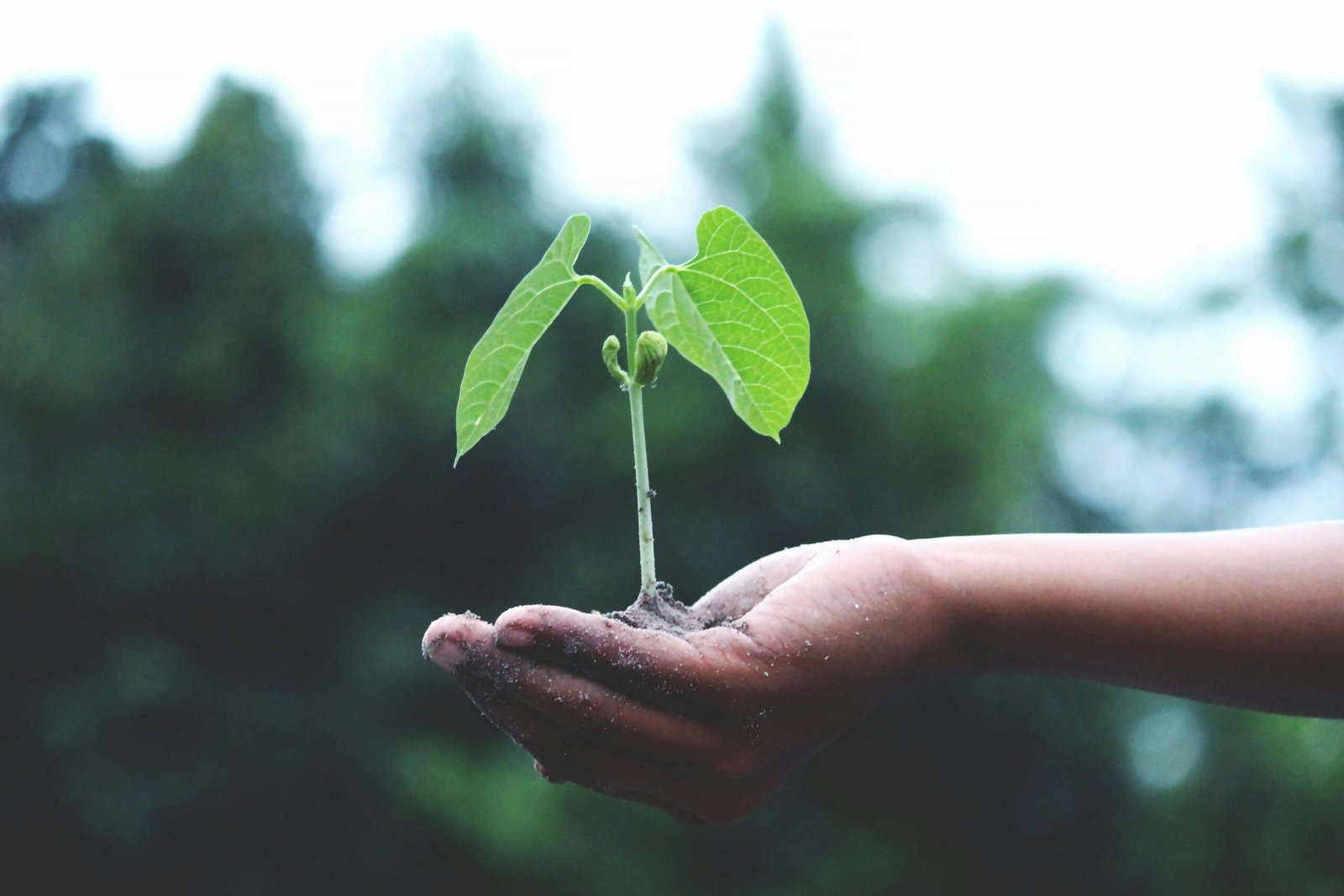
💡 Why Your Everyday Choices Matter
Your daily decisions what you eat, how you shop, how you move through the world have more influence than you may realise.
According to global environmental research:
- If 1 in 5 Australians skipped just one meat-based meal per week, it would cut 450 million kg of CO₂ emissions annually (Climate Council, 2023).
- Replacing one plastic bottle a day with a reusable option prevents 365 single-use items per person per year from entering landfills and oceans.
- 60% of greenhouse gas emissions globally are linked to household consumption patterns (UNEP, 2024).
💚 In other words, when you change a habit, you’re not just helping the Earth you’re part of a larger shift toward a healthier future for all.
🌿 5 Simple Sustainable Habits for Beginners
- Track Your Trash: Understand Where to Start
Before you change your habits, take a look at your current ones.
- Keep a small waste journal for 3 days write down what you throw out most often (e.g., food packaging, takeaway cups).
- Choose one category to improve. Start small: “This week I’ll bring a reusable cup.”
🔁 Tip: You don’t need to buy new “eco” things. Repurpose what you already have glass jars, cloth bags, containers. The most sustainable item is already in your kitchen.
- Focus on the “Big 3” Sustainable Swaps
Start with changes that offer big results with minimal effort:
- A reusable water bottle (saves money + reduces plastic waste)
- A foldable tote bag (keep one in your handbag or car)
- Meatless Mondays (just one plant-based meal weekly helps)
📉 These three swaps alone can cut your yearly waste by up to 30% (Sustainability Victoria, 2023).
- Rethink Laundry: Small Shifts, Big Savings
Laundry routines are often overlooked but they matter.
- Wash clothes in cold water (90% of energy in washing is used to heat water).
- Air-dry instead of using the dryer (saves $100+ per year and preserves fabric).
- Switch to eco-friendly laundry habits, like using powdered detergent or plastic-free options.
🌬️ Gentle changes like these help reduce emissions and extend the life of your clothes.
- Eat “Climatarian” Not Necessarily Vegan
You don’t have to give up all animal products to eat in a climate-conscious way.
- Reduce high-emission meats like beef and lamb
- Buy “imperfect” produce (up to 40% of fruit and veg is wasted due to how it looks)
- Learn to store food properly: herbs in water, berries in sealed containers, lettuce in breathable cloth
🥕 These habits support local farmers, cut food waste, and lower your carbon footprint without strict diets.
5. Buy Less, Choose Wisely
Sustainability also means slowing down consumption and choosing intentionally.
- Wait 48 hours before buying anything non-essential
- Use library apps, community groups or local lending libraries to borrow items
- Try repairing before replacing many Australian cities have Repair Cafés where volunteers help for free
🛠️ Thoughtful consumption respects both natural resources and your budget.
🧭 Let’s Bust 3 Eco-Myths (That Might Be Holding You Back)
❌ Myth 1: “You need fancy eco-products to live sustainably”
✅ Truth: The most eco-friendly thing is to use what you already own. Reuse first.
❌ Myth 2: “Small actions don’t count”
✅ Truth: Tiny changes (like switching off lights) help shape cultural norms that eventually influence policies and industries.
❌ Myth 3: “One person’s choices won’t matter”
✅ Truth: Studies show your behaviour influences others. Your sustainable actions can inspire three or more people around you (Nature Human Behaviour, 2022).
🌼 A 7-Day Gentle Eco Challenge
Try these small acts over one week no pressure, just intention:
Day 1: Bring your own cup to your local café
Day 2: Cook a plant-based dinner
Day 3: Turn off power boards and devices overnight
Day 4: Find your nearest farmers’ market
Day 5: Air-dry your laundry
Day 6: Repair something small at home (like a button or a zipper)
Day 7: Share your progress with a friend, family member or online community
💫 When You Slip Up (Because You Will)
We all forget our reusable bags. We all make impulse purchases. That’s okay.
This journey isn’t about guilt it’s about learning. Every effort counts. So when something doesn’t go as planned, just reset and keep going.