ECOSIBLINGS

GREEN BEAUTY

INSPIRING A GREENER AND HEALTHIER LIFESTYLE 

Side view of a woman with blond hair examining a test tube in a sunny lab.

Clean Beauty: Science, Values and Modern Skincare (Part 2)

Labels Decoded: From Organic to Vegan

In Part 1, we explored the core principles of clean beauty: transparency, sustainability, ingredient safety and simpler formulas. Now it’s time to look at the labels themselves. 🌿


Words like “natural”, “organic”, “vegan” or “green” can sound reassuring, but they don’t all mean the same thing and they’re not always used with care. Understanding the differences will help you avoid confusion and feel more confident every time you shop.

How is clean beauty connected to other cosmetic concepts?

Clean beauty overlaps with a range of other terms you’ll see on labels. There’s no single official list, but these are some of the most common ideas you’ll find linked to the clean beauty movement.

Understanding the differences can help you spot marketing tricks and choose products that genuinely match your ethics and expectations.
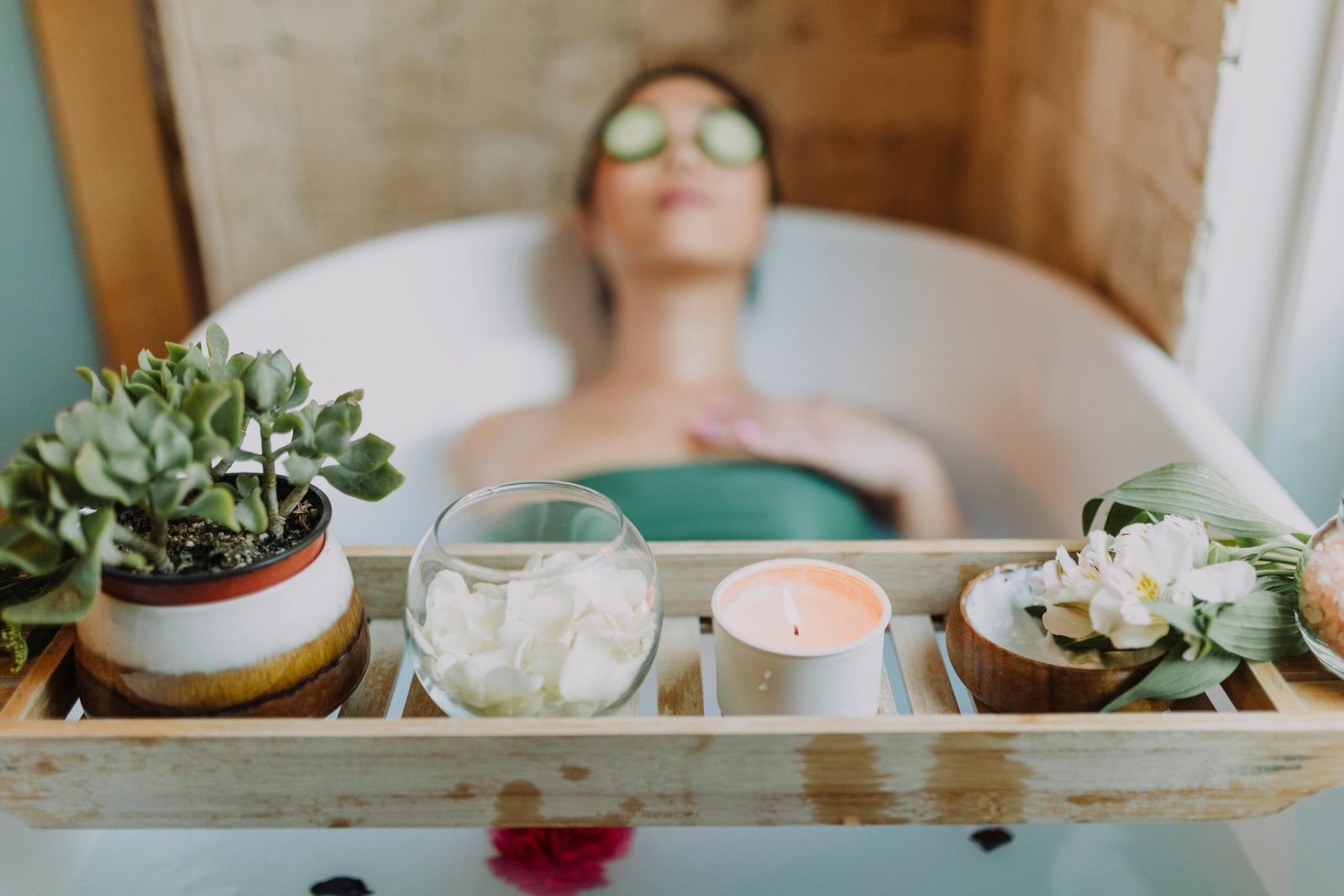
Woman relaxing in a bathtub with a candle and plants, enjoying a serene spa experience.

What is organic cosmetics?

In cosmetics, “organic” refers to the way certain ingredients are grown and processed, not just to the fact that they come from nature. Organic plant-based ingredients are typically sourced from crops grown according to ecological farming standards, with restrictions on:
•Synthetic pesticides
•Genetically modified organisms (GMOs)
•Artificial fertilisers
 
For a finished product to be labelled organic under many standards, it usually needs a high percentage (often around 95%) of certified organic ingredients and must demonstrate a reduced environmental impact across its life cycle.
 
Organic cosmetics are part of the wider clean beauty conversation because they aim to respect both the skin and the soil they come from.

What is natural cosmetics?

Natural” cosmetics are made mainly from ingredients sourced directly from nature, such as plants, flowers, roots, minerals or ingredients of animal origin. However, “natural” does not automatically mean “organic”.


A natural ingredient might still come from crops grown with conventional pesticides or fertilisers. That’s why it’s important to understand that “natural” and “organic” are not interchangeable terms.


Many natural products also include a small percentage of synthetic ingredients (sometimes around 5%, although this can vary depending on local regulations and standards). These synthetics may be used to stabilise the formula, improve texture or ensure safety. 🌼

What is vegan cosmetics?

Vegan cosmetics express a clear commitment to animals by avoiding any ingredient of animal origin or derived from animals. This means excluding:
•Beeswax and other bee-derived ingredients
•Lanolin and similar animal-based lipids
•Ingredients sourced directly from animal tissues
 
Vegan cosmetics are also typically associated with cruelty-free practices, meaning products are not tested on animals. To maintain efficacy and safety, vegan cosmetics often use:
•Plant-based alternatives
•Biotechnological ingredients
•Carefully chosen lab-made options
 
Vegan products sit within the clean beauty space when they also consider ingredient safety, transparency and environmental impact, not just the absence of animal-derived components. 🐨

What is phytocosmetics?

Phytocosmetics is closely related to natural cosmetics, but with a stronger focus on plant-derived active compounds. Instead of simply including a plant extract, phytocosmetic formulations often emphasise:
 
•Extracting active molecules from different parts of the plant (leaves, stems, roots, flowers, fruits)
•Using these actives in concentrations that are designed to support specific skin goals
 
While natural cosmetics can also use minerals and other non-plant ingredients, phytocosmetics centres the power of botanical actives, making it a specialised branch within the broader natural and clean beauty universe. 🌺

What is vegan cosmetics?

Vegan cosmetics express a clear commitment to animals by avoiding any ingredient of animal origin or derived from animals. This means excluding:
•Beeswax and other bee-derived ingredients
•Lanolin and similar animal-based lipids
•Ingredients sourced directly from animal tissues
 
Vegan cosmetics are also typically associated with cruelty-free practices, meaning products are not tested on animals. To maintain efficacy and safety, vegan cosmetics often use:
•Plant-based alternatives
•Biotechnological ingredients
•Carefully chosen lab-made options
 
Vegan products sit within the clean beauty space when they also consider ingredient safety, transparency and environmental impact, not just the absence of animal-derived components. 🐨

What is green cosmetics and what is greenwashing?

“Green cosmetics” is one of the most confusing terms because “green” sounds positive but doesn’t have a precise, universal definition. It’s often used to suggest that a product is environmentally friendly, but the criteria can vary widely.


This vagueness opens the door to greenwashing when brands use colours, images and words that evoke nature, like leaves, earthy tones or phrases such as “eco” and “green”, while still relying on practices or ingredients that don’t genuinely respect the environment.


Greenwashing is essentially a marketing strategy: it makes a product look more natural or ethical than it really is. Recognising this is essential so you can look beyond the front label and focus on ingredient lists, certifications and brand transparency instead. 💚

How can you make more conscious beauty choices?

The goal of this article isn’t to make you fearful of your products, but to give you tools. When you understand terms like clean, organic, natural, vegan, phytocosmetic and green, it becomes easier to:
•Read labels with more confidence
•Notice when a claim seems vague or purely marketing-driven
•Choose products that genuinely reflect your values and priorities
 
Adopting a clean beauty mindset is as much about education as it is about products. As you learn more, you can avoid common commercial traps, support brands that align with your ethics, and gently reduce your environmental footprint.
 
You’re warmly invited to keep exploring the fascinating world of natural and conscious cosmetics, to respect the ecosystems around you, and to remember that every small choice every cleanser, cream or serum you pick up can be a quiet way of caring for both your skin and the planet. Good onya for being curious and intentional with your beauty ritual. 🌙
Scroll to Top