
ECOSIBLINGS
Botanical Wonders
INSPIRING A GREENER AND HEALTHIER LIFESTYLE
Understanding Herbal Tinctures: Benefits and How to Make Them
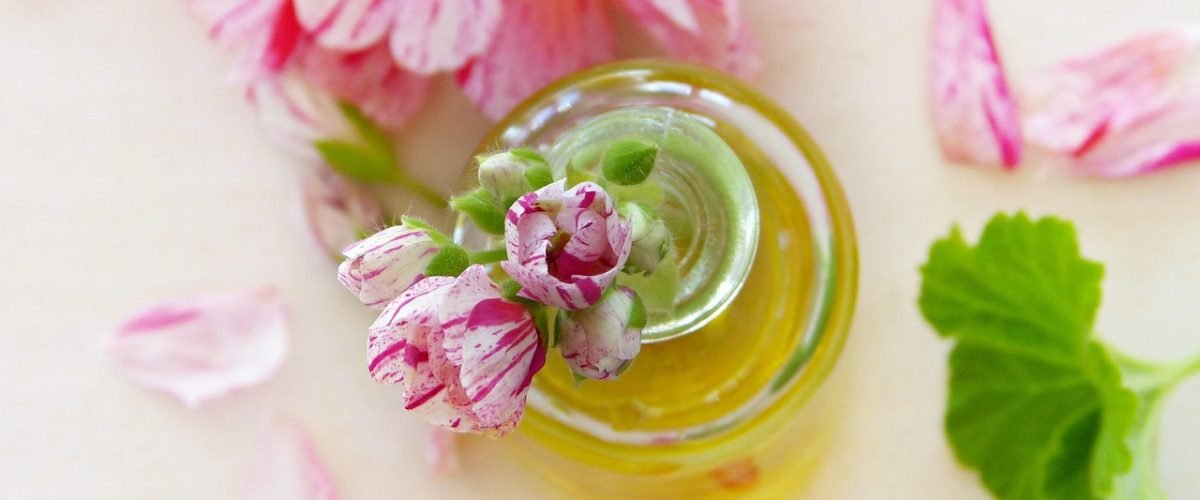
More and more Aussies are swapping quick fixes for plant power and tinctures are leading the charge. These concentrated liquid extracts pull a plant’s useful compounds into a small, potent dose you can pop under the tongue or into your water bottle. From immune support to calmer nerves and better digestion, tinctures are compact, shelf-stable, and when made properly heaps good. 🌿
At its heart, a tincture is simply plant material (leaves, roots, bark, or berries) soaked in a solvent such as alcohol, glycerin or vinegar. Alcohol is the all-rounder: it grabs both water- and alcohol-soluble constituents, preserves them beautifully, and keeps for yonks. Glycerin is sweet and alcohol-free (great for kids or anyone avoiding booze), while apple cider vinegar is a mineral-friendly option with a shorter life. In many lab extractions, mid-range ethanol (around 40 – 60% ABV) often hits the sweet spot for drawing out phenolics and other goodies while keeping stability tidy.
If tea is like a gentle chat, a tincture is the mate who rocks up with a ute strong, efficient, and ready to get stuff done fast. A few drops can act within 15-30 minutes for many people, especially when held under the tongue. Better than a snag at Bunnings on a cold morning. 💊
Beyond convenience, tinctures fit neatly into Australia’s love affair with native superfoods AU. Lemon myrtle, Kakadu plum, wattleseed bush legends with serious science behind them pair beautifully with tincture know-how and First Nations wisdom (with appropriate respect and benefit-sharing). That’s where bush medicine recipes meet modern lab smarts. 🍃
Why Lemon Myrtle is your new best mate?
Backhousia citriodora (lemon myrtle) is a show-off in the best way. Its essential oil is famously rich in citral (neral + geranial), commonly clocking around ~90%, which explains that knockout lemon aroma and part of its antimicrobial punch. Australian research has shown lemon myrtle oil and leaf preparations can inhibit a range of bacteria and fungi, sometimes outperforming citral alone.
In Traditional bush use, lemon myrtle leaves were valued for their cleansing, flavour and soothing properties. Today, a light lemon myrtle tincture (or glycerite) is a handy pantry ally: think post-meal tummy comfort, a spritz for DIY surface sprays, or a few drops in warm water when you’re feeling a bit scratchy in the throat. (PSA: essential oil ≠ tincture don’t ingest straight essential oil; tinctures are a different extraction altogether.)
Why Kakadu Plum is your new best mate?
Terminalia ferdinandiana Kakadu plum packs a wallop of vitamin C and a buffet of polyphenols like ellagic acid. Studies profiling Kakadu plum powders and blended products confirm the fruit’s exceptional ascorbic acid and phenolic profile, backing up generations of First Nations use for colds, headaches and as an antiseptic. For tincture-making, you’ll capture polyphenols nicely; if vitamin C is your target, a gentle glycerite or using the whole fruit powder in food and drinks may serve you better.
This native superstar isn’t just good for you it’s good for Country. Australia’s native foods and botanicals sector has grown sharply in recent years, with projections and stocktakes showing steady value growth and increasing mainstream interest when done with ethical sourcing and fair benefit-sharing with Traditional Owners.
Why Echinacea (an honourary ring-in) is your new best mate?
Echinacea isn’t native to Australia, but it’s a clinic regular. An Australian randomised, double-blind, placebo-controlled trial in long-haul air travellers found that a standardised echinacea extract protocol helped reduce cold symptoms after flights a nifty example of herbal evidence with local credentials. If you want an immune-season tincture that’s “flat out like a lizard drinking,” echinacea can earn a spot on your shelf.
The sciencey bit (kept simple)
How to make a tincture (folk method)
Safety first (because you’re clever like that)
Some herbs interact with common meds. St John’s wort (Hypericum perforatum) is the classic example can mess with antidepressants, oral contraceptives, and more via enzyme induction and serotonin effects. If you’re on prescription medicines, don’t self-experiment; get professional advice and check the ARTG listing if buying products. For pregnancy/breastfeeding, consult local TGA resources and a clinician before using herbal medicines.